About Heat Exchanger Pasteurization Plate
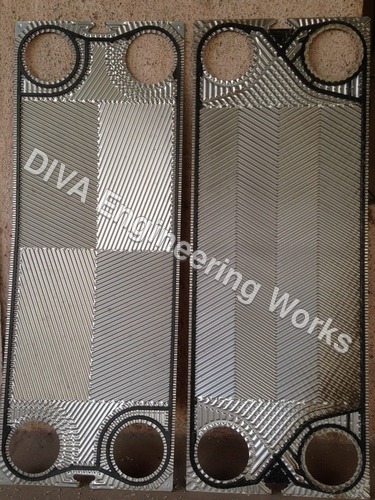
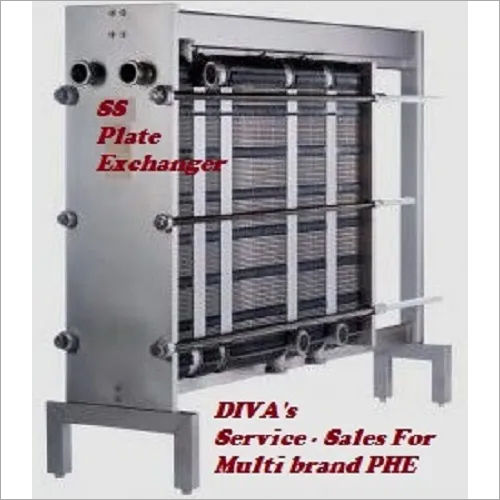
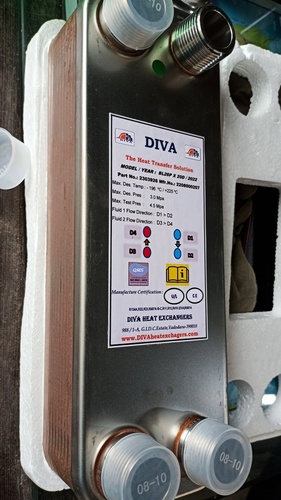
We offer the best qualityPasteurization Plate Heat Exchangerfor the use in heat management setup. The plates are made with durable quality, tested material with the use of latest engineering applications to shape the best possible product. We are the renowned manufacturer and supplier of a wide range of heat exchanging equipments. The product is tested and certified on various quality and endurance parameters. ThePasteurization Plate Heat Exchangeris available at a very reasonable price.
Main Features:
- Durable and high temperature endurance
- Corrosion resistant
- Easy and quick installation
Shell & Tube, Heat Recovery, Plate, Welded - Semi welded
Primary Exchanger Material Hast-Alloy diff. Graded, Steel, Titanium
Brand Diva Alfa Laval HRS APV Funke et
Application Pharmaceutical industry, Food Process Industry, Hydraulic and Industrial Process, Chemical, Milk & Pasturier, Medical, Power Generation
Warranty 18 months, 12 months
Tube Material Steel, Titanium, Copper
Inlet Temperature 170
Outlet Temperature 32,10
Flow Rate (L/min) DIN 10,up to DIN 500
Maximum Working Pressure (in PSI) 25 bar or more
Dimension Variant
Size Variable
Superior Heat Transfer for Reliable PasteurizationUtilizing an 8 m heat transfer area, this heat exchanger ensures efficient and consistent thermal processing of dairy and beverage products. Crafted from polished stainless steel 304/316, it resists corrosion and guarantees hygiene in demanding environments, reducing contamination risks during pasteurization.
Versatile Operation and User-Friendly ControlThe system can operate under automatic or manual control, adapting to various production needs. Its gasketed plate structure and flanged/clamped connections enable quick adjustments and easy maintenance, simplifying integration within existing production lines for milk, juice, or beverage processing.
Optimized Cleaning and MaintenanceIncorporating CIP (Clean-in-Place) technology, the unit streamlines routine sanitation without dismantling. This process efficiently removes residue and maintains hygiene standards, minimizing downtime and enhancing operational efficiency for manufacturers and service providers.
FAQs of Heat Exchanger Pasteurization Plate:
Q: How does the heat exchanger pasteurization plate maintain optimal temperature for milk, juice, and beverage processing?
A: The unit utilizes stainless steel 304/316 plates with an 8 m heat transfer area, efficiently transferring heat to maintain pasteurization temperatures between 85C and 90C. This precise control ensures that products are safely pasteurized without compromising quality.
Q: What materials make up the plate structure and why are they chosen?
A: The plate structure is constructed from stainless steel 304/316. These materials are selected for their corrosion resistance, sanitary properties, and ability to withstand high temperatures and pressure, making them ideal for food and beverage pasteurization.
Q: When should the Clean-in-Place (CIP) process be performed for the system?
A: CIP cleaning should be conducted after each production cycle or as required by your hygiene protocols. This automated cleaning process ensures all internal surfaces of the heat exchanger remain free of microbiological contamination and residue.
Q: Where is this pasteurization plate suitable for installation?
A: This unit is ideal for installation in dairy plants, juice factories, beverage processing facilities, or any location requiring hygienic, automated, or manual pasteurization. Its compact dimensions (1200 x 600 x 1500 mm) and robust design make it adaptable to varied industrial environments.
Q: What are the benefits of using a gasketed plate heat exchanger with automatic and manual controls?
A: A gasketed plate design allows quick access for inspection and maintenance. Automatic controls enhance efficiency and consistency, while manual options offer flexibility during special processing needs. Together, they enable high productivity and easy troubleshooting.
Q: How is the liquid flow rate managed during operation?
A: The system accommodates a flow rate from 1 to 10 m/h, adjustable according to process requirements and product output. The flanged/clamped port connections support smooth flow management, optimizing pasteurization for batches up to 1000 L/h.
 Call Us : 07971189584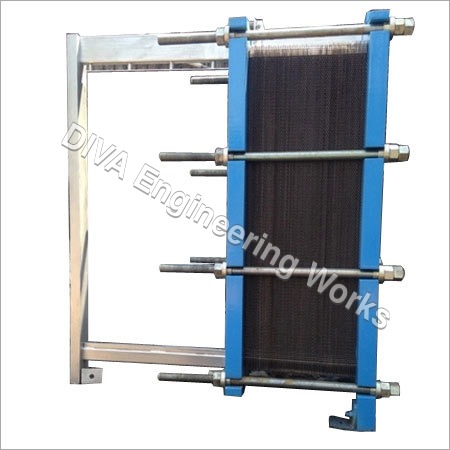







 Send Inquiry

 Send Inquiry
 Send Inquiry
 Send SMS